Construction sites are inherently busy, loud, and constantly evolving environments. With so many moving parts, it is easy to see how health and safety can sometimes feel like a mountain of paperwork rather than a practical tool for keeping people safe. Since the Construction (Design and Management) Regulations 2015 came into force, the industry has had to adapt to a more integrated approach to safety. However, many professionals still find themselves scratching their heads when it comes to who is responsible for what. This is exactly where a CDM course becomes more than just a box-ticking exercise; it becomes the bridge between complex legislation and practical site application.
The regulations were designed to ensure that health and safety are considered throughout the entire life cycle of a project, from the first sketch on a designer’s desk to the final brick laid and even the eventual demolition. Despite this, the ‘Client’ or the ‘Principal Designer’ often feels overwhelmed by the sheer weight of their legal duties. Understanding these nuances isn’t just about avoiding a fine from the Health and Safety Executive (HSE); it is about creating a culture where safety is prioritised from the very beginning of a project’s conception.
The roles that define project success
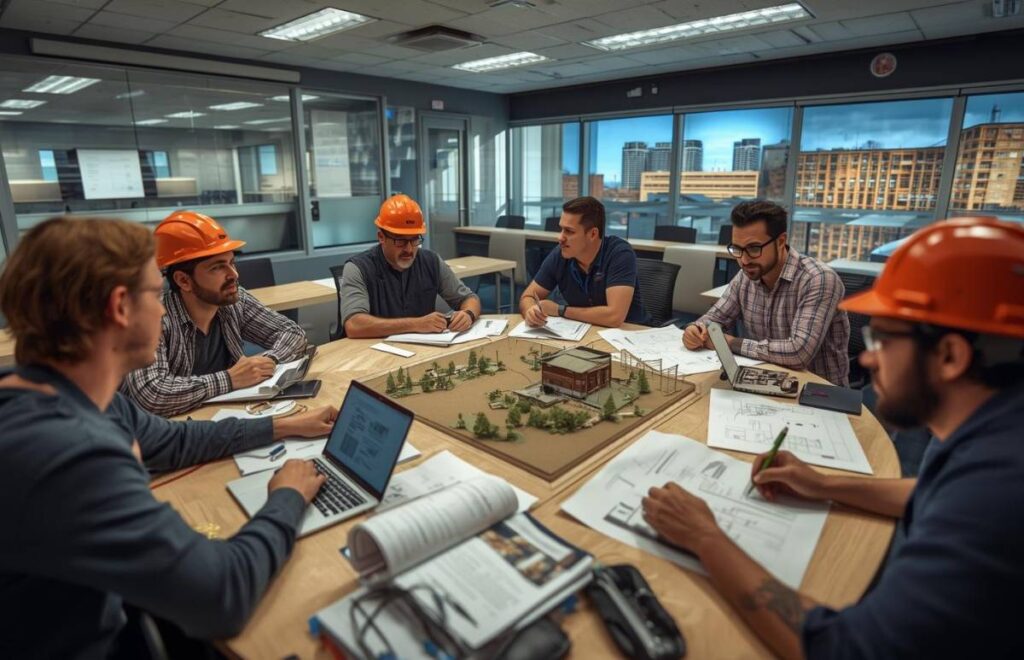
One of the most common misconceptions about construction safety is that it is solely the responsibility of the person wearing the high-vis jacket on-site. In reality, the CDM 2015 regulations distribute responsibility across several key duty holders. Without a clear understanding of these roles, projects can quickly descend into confusion, leading to delays and increased risk. A comprehensive training programme helps clarify these positions:
- The Client: Often the person or organisation for whom the work is being carried out. They have the ultimate responsibility to ensure that the project is managed without risk to health and safety.
- The Principal Designer: Their job is to plan, manage, and monitor the pre-construction phase. They must coordinate health and safety and ensure that risks are designed out where possible.
- The Principal Contractor: Responsible for the construction phase. They must liaise with the Principal Designer and manage the site workers to ensure everyone stays safe.
- Designers and Contractors: Even those not in ‘Principal’ roles have specific duties to communicate and cooperate with others on the project.
By taking the time to engage with a CDM course, professionals in these roles can learn exactly how their decisions impact the safety of others. For example, a designer choosing a specific material without considering how it will be safely installed could inadvertently put a contractor at risk. Training helps develop the foresight needed to spot these issues months before they arrive on-site.
What you actually learn during the training
People often worry that safety training will be a dry recitation of legal clauses. However, modern training is much more focused on the practicalities of the job. When you enrol in a CDM course, the focus is on the ‘how’ rather than just the ‘what’. You will dive into the essential documents that keep a project running smoothly and legally.
One of the core components is the Construction Phase Plan. Every single construction project, regardless of size or duration, requires one of these. It isn’t just for the big commercial builds; even a small domestic renovation needs a plan that outlines how risks will be managed. Learning how to draft a plan that is actually useful—rather than a generic template that sits in a drawer—is a skill that saves time and potentially lives.
Another critical area is the Health and Safety File. This is the document handed over to the client at the end of the project. It contains all the information needed for future maintenance or even demolition. If this file is poorly put together, it creates a legacy of risk for whoever owns the building next. Training ensures you know what needs to go in, what can be left out, and how to organise it effectively.
The benefits of going beyond basic compliance
While staying on the right side of the law is a major motivator, there are several other reasons why investing in a CDM course is a smart move for any construction professional. The industry is becoming increasingly competitive, and clients are looking for contractors and designers who can prove they take safety seriously. Having a certified understanding of CDM regulations can be a significant advantage during the tendering process.
- Improved Efficiency: When everyone knows their role, there is less friction and fewer delays caused by safety-related work stoppages.
- Cost Savings: Preventing accidents is far cheaper than dealing with the aftermath of one. Fines, legal fees, and increased insurance premiums can cripple a business.
- Better Communication: CDM is built on the pillars of cooperation and coordination. Training gives you the language and framework to communicate effectively with other duty holders.
- Enhanced Reputation: Being known as a safe, compliant professional leads to repeat business and a stronger brand in the local market.
The reality of the pre-construction phase
Most of the heavy lifting in CDM happens before a single spade hits the ground. This is the pre-construction phase, and it is often where projects succeed or fail. A CDM course emphasises the importance of ‘Pre-Construction Information’. This is the data provided by the client to the designers and contractors. If this information is missing—perhaps there are unknown underground cables or asbestos in the walls—the whole project is built on a foundation of hidden hazards.
The training teaches you how to identify what information is missing and how to ask for it. It encourages a proactive mindset where you are constantly asking, “What do we need to know to make this safe?” This shift from reactive to proactive safety management is perhaps the most valuable takeaway from any high-quality training session. It moves the conversation away from “Who is to blame?” and towards “How do we solve this together?”

Keeping up with domestic projects
It is a common myth that CDM doesn’t apply to small domestic jobs, like a kitchen extension or a loft conversion. In reality, the regulations apply to all construction work. For domestic clients, their duties are usually passed on to the contractor or the designer. If you are a small builder working for a homeowner, you are likely the one carrying the CDM responsibilities whether you realise it or not.
Understanding how these rules scale down to smaller projects is vital. You don’t need a 50-page safety manual for a two-week bathroom refit, but you do need to show that you have considered the risks. A CDM course helps you scale the requirements appropriately, ensuring you aren’t doing unnecessary work while still protecting yourself and your clients legally. It provides the confidence to explain these requirements to homeowners who might be confused about why you are spending time on a safety plan for their home renovation.

A culinary writer with a passion for Japanese cuisine, Kieran explores the artistry of sushi, seasonal menus, and modern interpretations of traditional dishes through in-depth reviews and chef interviews.